



Yesterday at the Universities Australia Solutions Summit 2026 in Canberra, the Hon. Jason Clare MP, Australia’s Minister for Education, delivered a powerful tribute to Dr. Kiran and the work of Asha.
Addressing university leaders and policymakers from across Australia, he said:

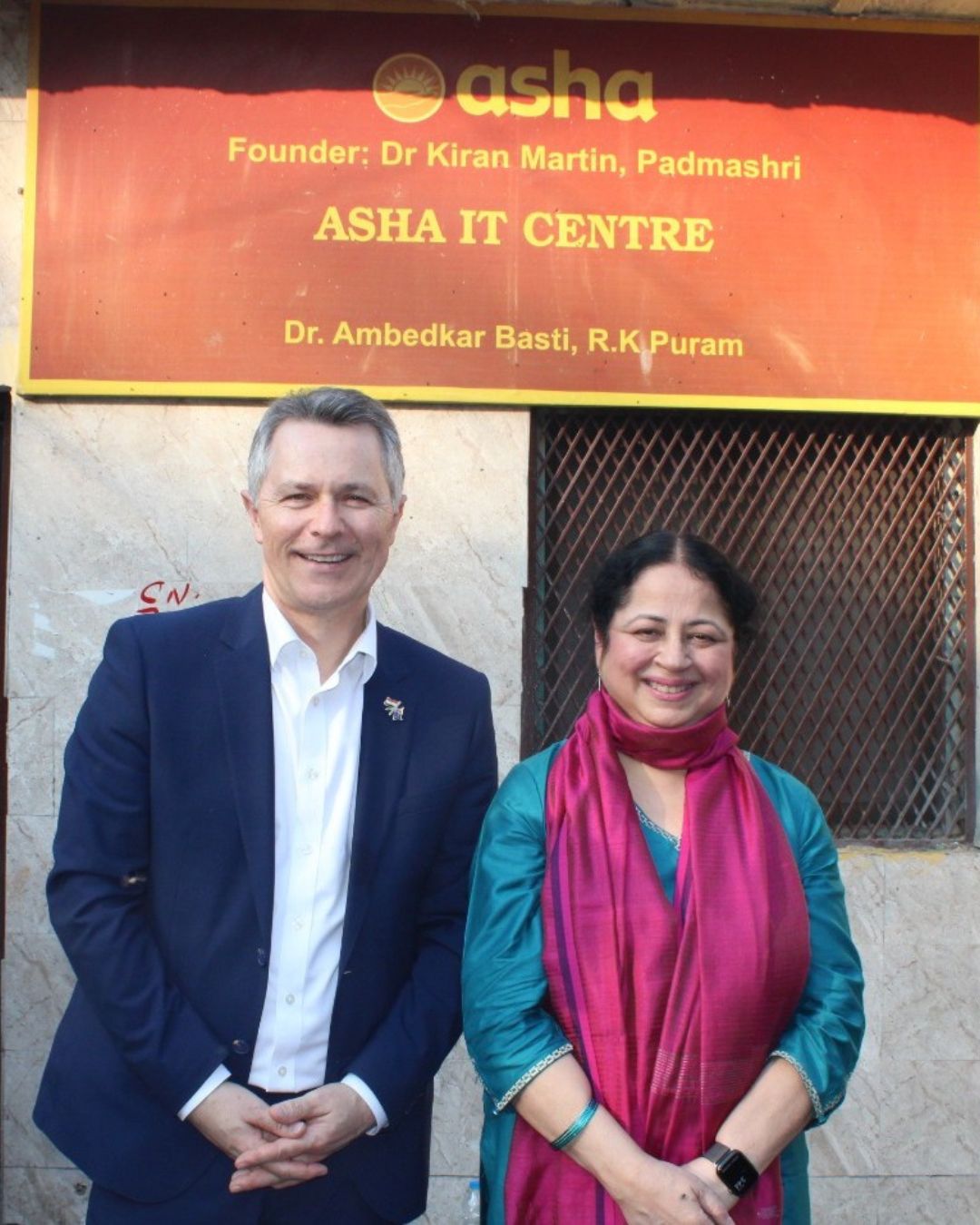
“If you want to be inspired, you want to be convinced that hope is not just a word, meet Dr. Kiran. Almost 40 years ago, she walked into that slum for the first time. A freshly minted paediatrician in the middle of a cholera outbreak. The cholera did not scare her away. Neither did the local slum lords. A year after she arrived, she set up the Asha Society. Asha means hope in Hindi. And over the last few decades, it has done just that. It provides basic sanitation, primary health care, and education. It is now in a hundred different slums, changing the lives of more than a million people.”
For nearly four decades, Dr. Kiran has worked tirelessly in the slums of Delhi. What began during a public health crisis grew into a movement rooted in long term commitment. Sanitation systems were built. Health clinics were established. Children entered school. Young people began to dream beyond survival.
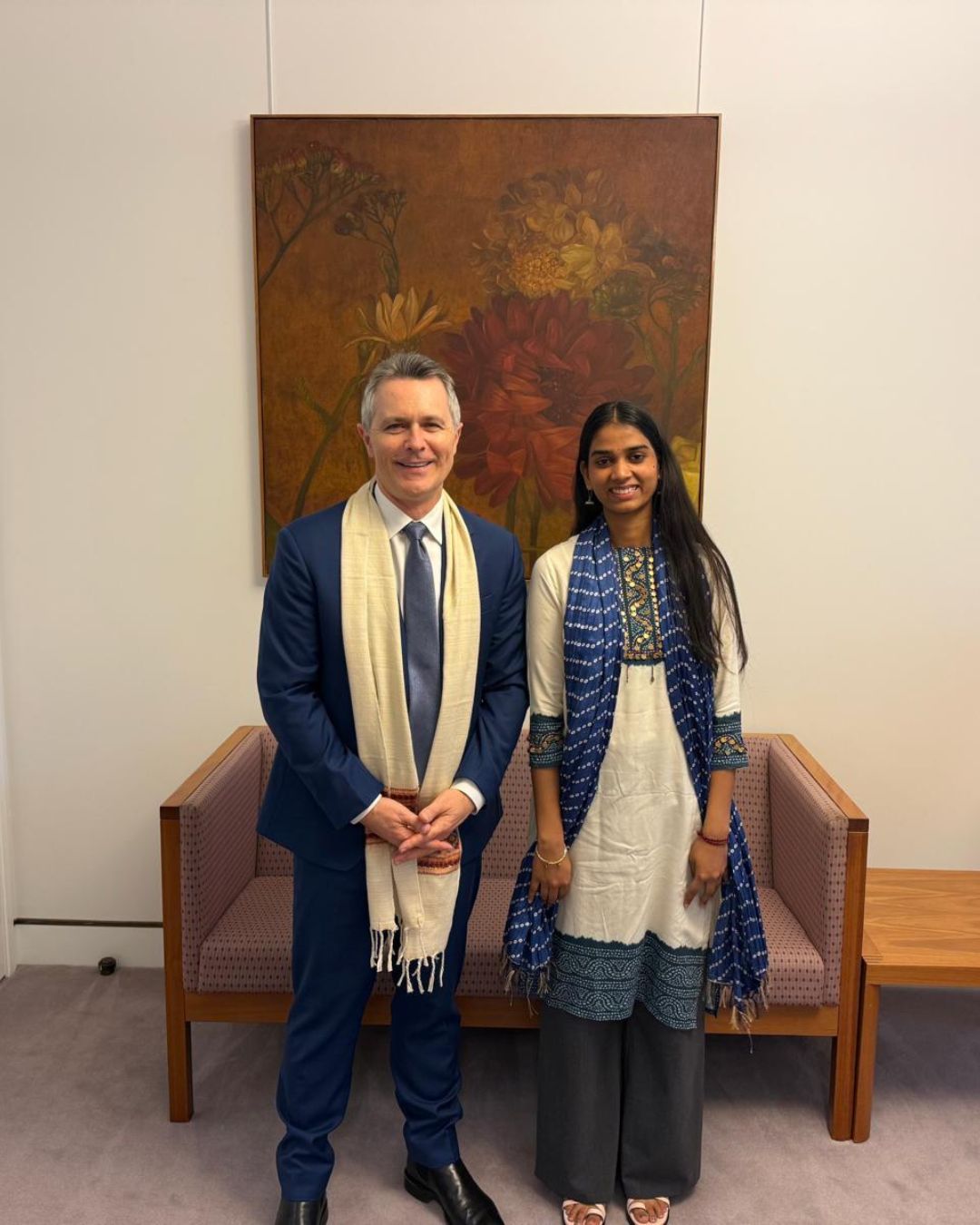
Minister Clare highlighted one such journey. “Some of those people have made their way all the way here. When I was there, I met Nancy, who lived in one of those slums. A young woman who, because of Dr. Kiran, got the education that her parents did not. She finished school, went to university, got a Bachelor of Arts degree. She majored in political science, and she graduated with honours. Last year, Nancy got a scholarship to do a master’s degree in international relations at Melbourne University. She starts next week, and Nancy is here with us tonight.”
Nancy’s presence at the summit was a powerful reminder of what sustained investment in education can achieve.
Video of Minister Jason Clare’s remarks at the summit.
This global acknowledgement reflects nearly forty years of dedication, consistency, and sincere service in the slums of Delhi. It honours not only Dr. Kiran’s leadership, but also the courage of the communities who believed that change was possible.