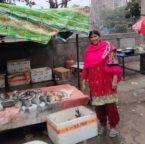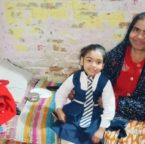



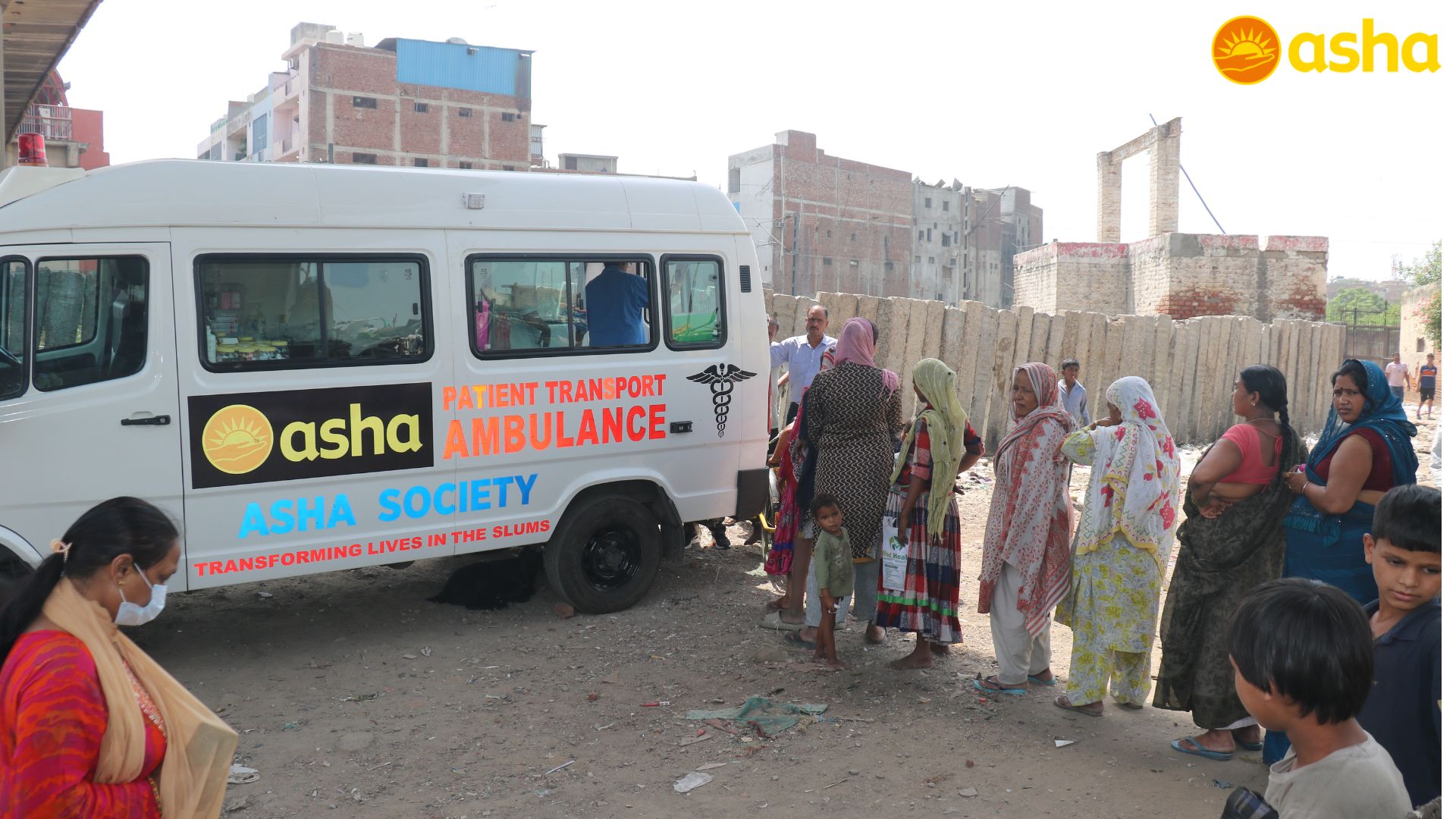
When Asha’s Mobile Health Van first arrived in the Mansarovar slum community, also known as Lal Bagh, in May 2025, many families watched from a distance. This scavengers community had rarely seen regular healthcare services. For years, people had learned to live with illness, often treating symptoms at home or ignoring them until they became severe.
Today, the same van is welcomed warmly. Families wait for its arrival, knowing someone will listen and help.
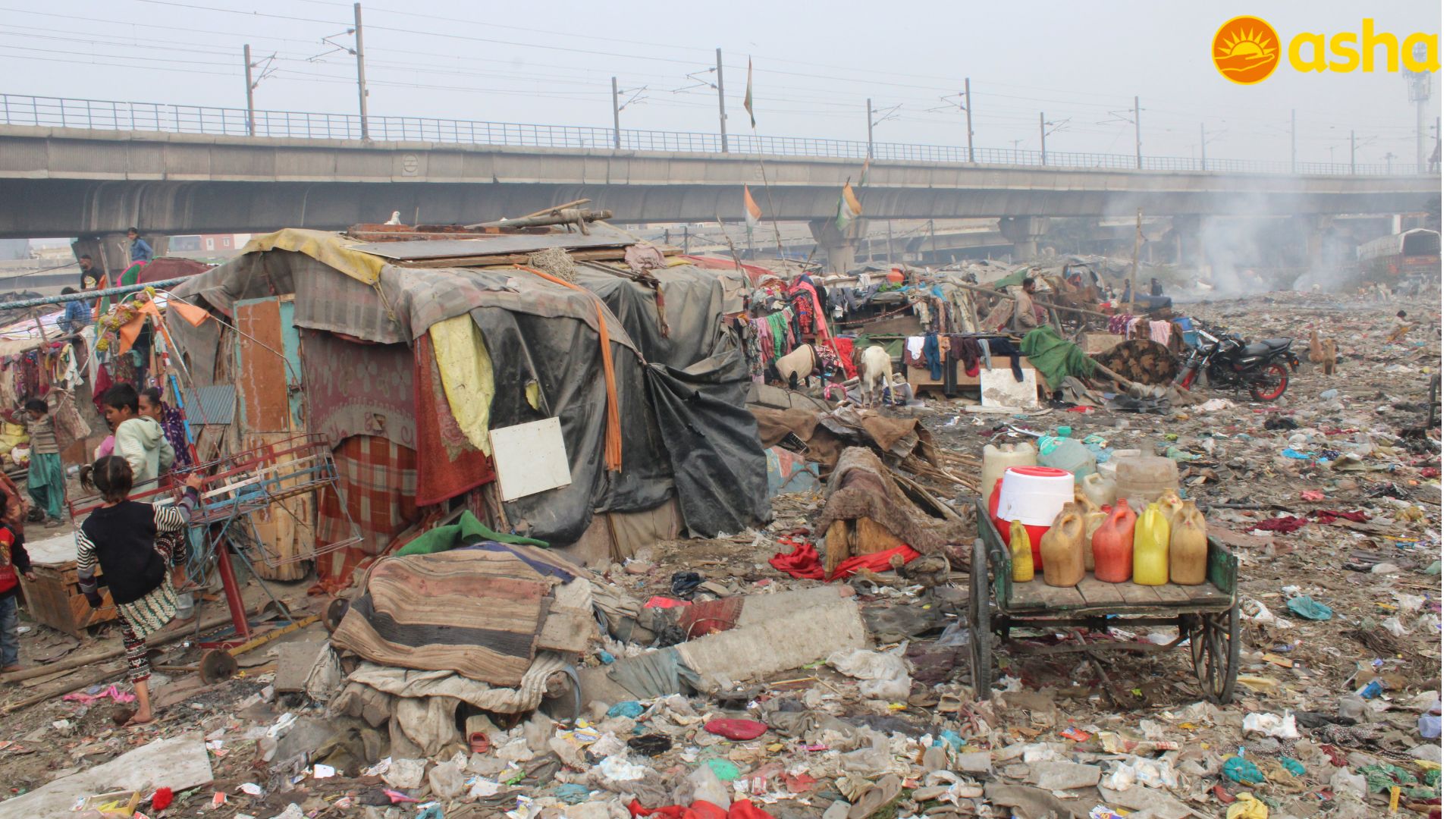
The Mobile Health Van now serves nearly 5,000 residents. For many people, it has become the first place where they feel comfortable speaking openly about their health. It has also become a gathering point where Asha’s Children’s and Women’s Associations meet to discuss issues affecting their community.
During surveys in the area, Asha’s health team found that tuberculosis, skin diseases, and chronic illnesses are common. Many people remain untreated. Not because they do not care about their health, but because fear, stigma, lack of information, and the cost of treatment often stand in the way.
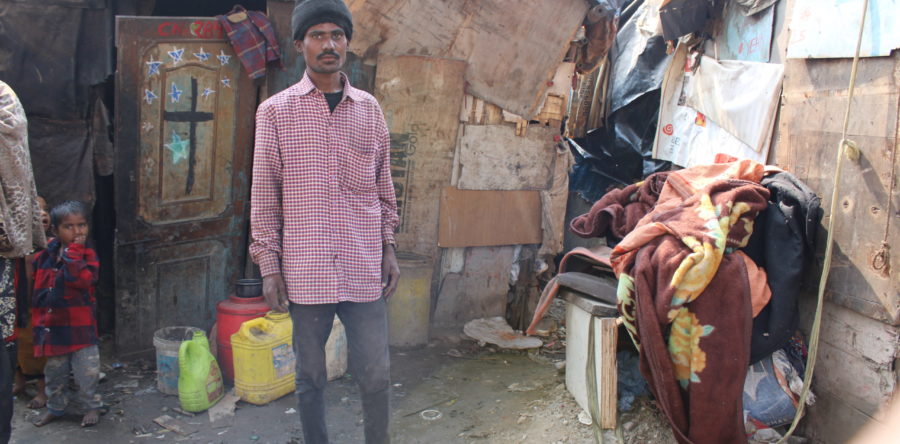
Salim, a 30-year-old resident of Mansarovar, has lived in this community his entire life with his family. Three months ago, tragedy struck their home. His sister died from multidrug-resistant tuberculosis.
She had been prescribed medicines, but the treatment was interrupted. When she went to stay at her in laws’ home, she left her medicines behind. By the time she returned, her condition had worsened badly. The family also hesitated to seek regular care, worried about how people in the neighbourhood might react if they knew about the illness.
After her death, Asha’s health team counselled the family and encouraged everyone in the household to get screened for tuberculosis.
While the other family members tested negative, Salim showed symptoms. He was quickly referred to the nearest government tuberculosis clinic, where his treatment began.
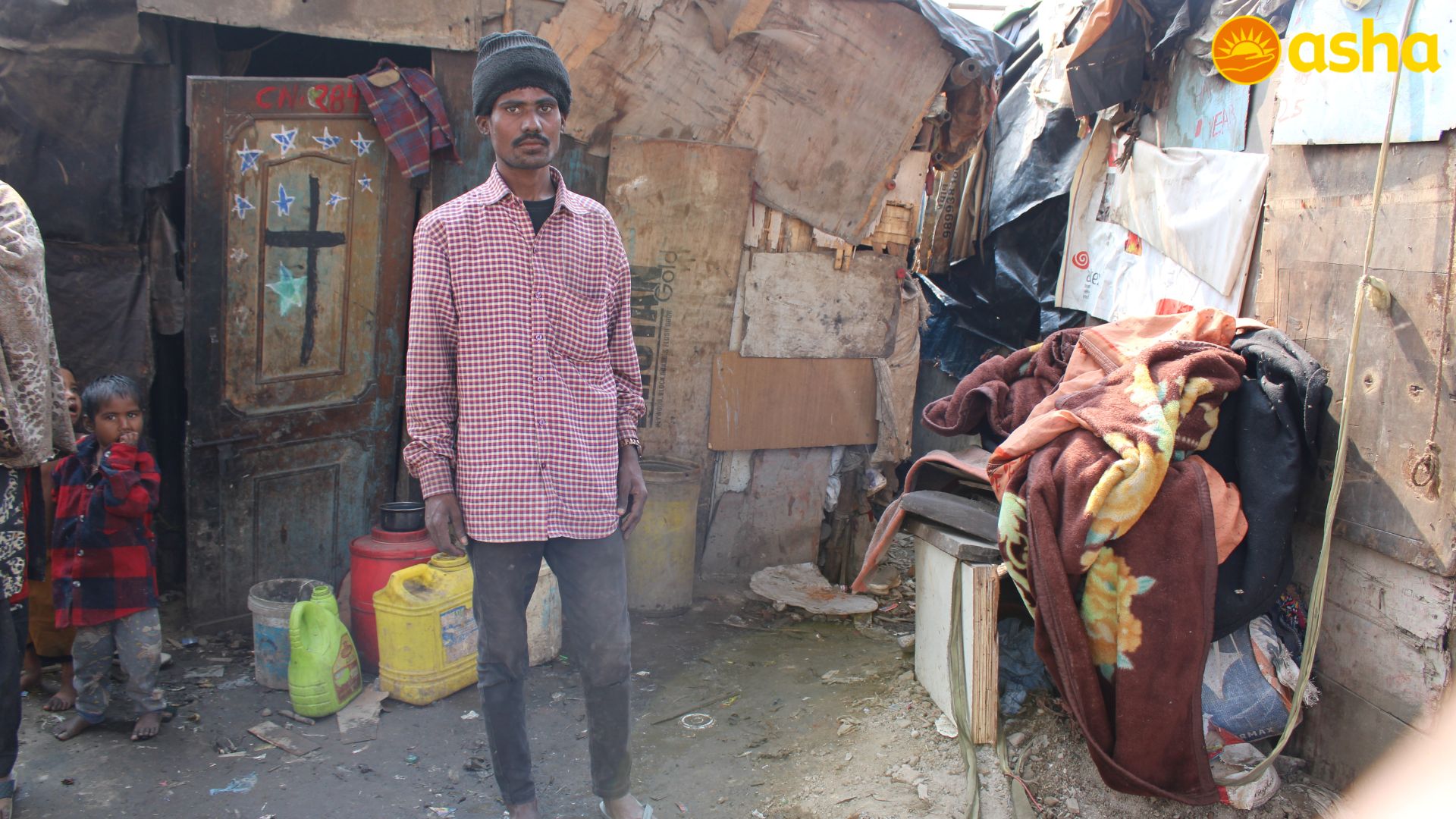
For the past two months, Salim has been taking his medicines regularly. Asha’s health team and Community Health Volunteers now visit his home often. They make sure he takes his medicines and nutritional supplements on time, monitor his weight, and guide the family on simple ways to improve their diet. His strength is slowly returning. The family has also been advised to undergo another round of screening in six months to ensure everyone remains safe.
Today, when Salim’s family speaks about their situation, their voices carry relief rather than fear. Losing a daughter and sister left a deep wound. But early diagnosis, regular treatment, and the presence of someone who cares have helped them move forward.
For families like Salim’s, the Mobile Health Van is more than a vehicle. It has become a lifeline, bringing care, guidance, and reassurance right to their doorstep.